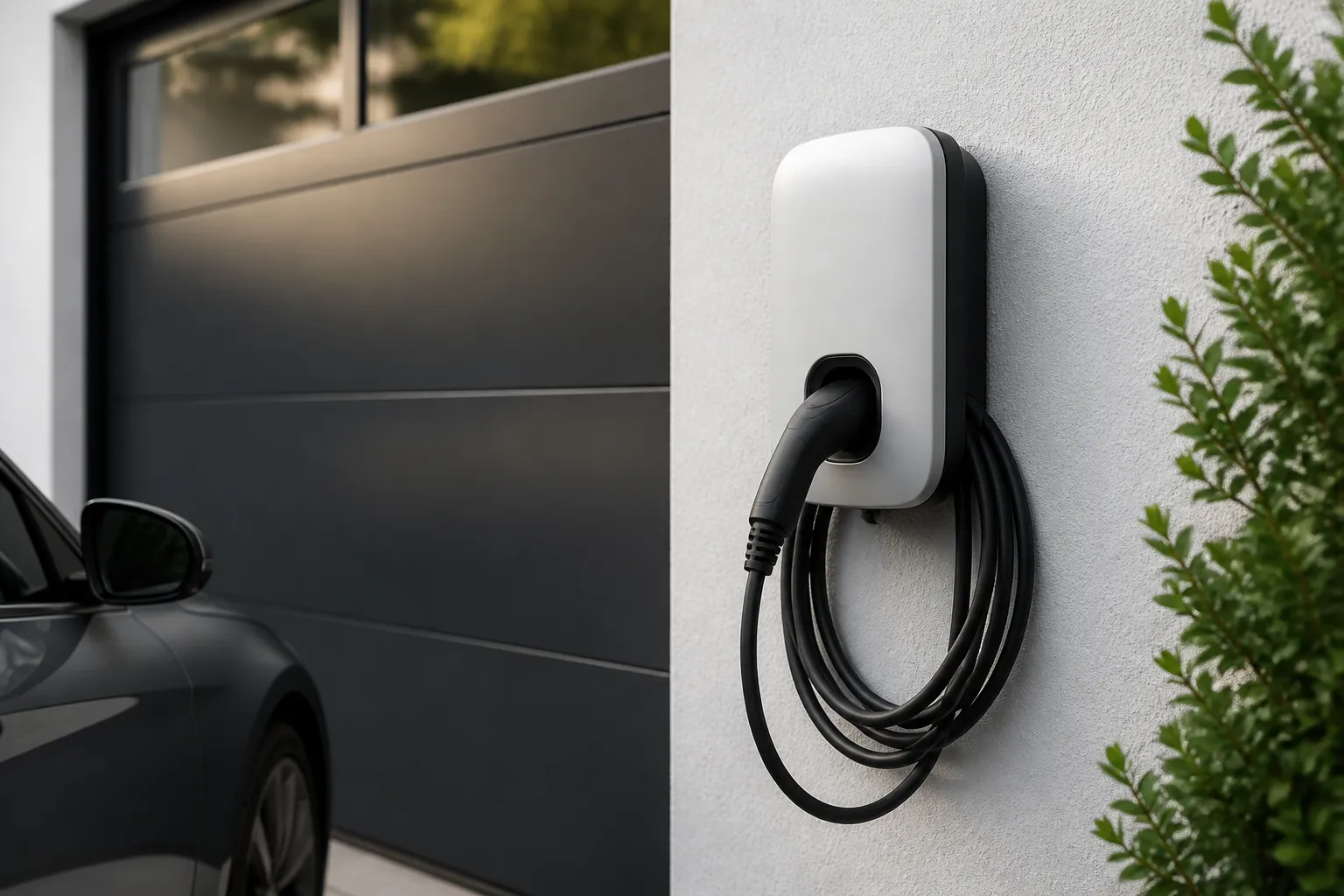
If your vehicle charges slowly, trips a breaker, or leaves cords stretched across the garage, the problem usually starts with the electrical setup behind the charger. A home EV charger needs the right circuit, the right panel capacity, and a clean installation path so daily charging feels simple instead of stressful.
HydeWire Electric helps homeowners in Renton, WA plan and install EV charging equipment with the home’s electrical system in mind. We look at the panel, wiring route, and charging location first, then build a setup that supports reliable charging without overloading the rest of the home.
Home charging should match how you actually use your vehicle. Some homeowners want a wall-mounted charger near the driveway side of the garage. Others need a setup that works with a panel located far from the parking spot. The right installation depends on your vehicle, your charger, and the electrical capacity already available at the house.
When a charger is added without enough planning, the result can be nuisance trips, slow charging, or a setup that feels awkward every time you plug in. We take the time to map out the route, confirm the electrical demand, and make sure the charging point is practical for everyday use.
An EV charger is more than a device on the wall. It relies on a circuit sized for the load, secure terminations, and wiring that can support the charging demand. If any part of that chain is undersized or poorly arranged, the charger may not perform as intended.
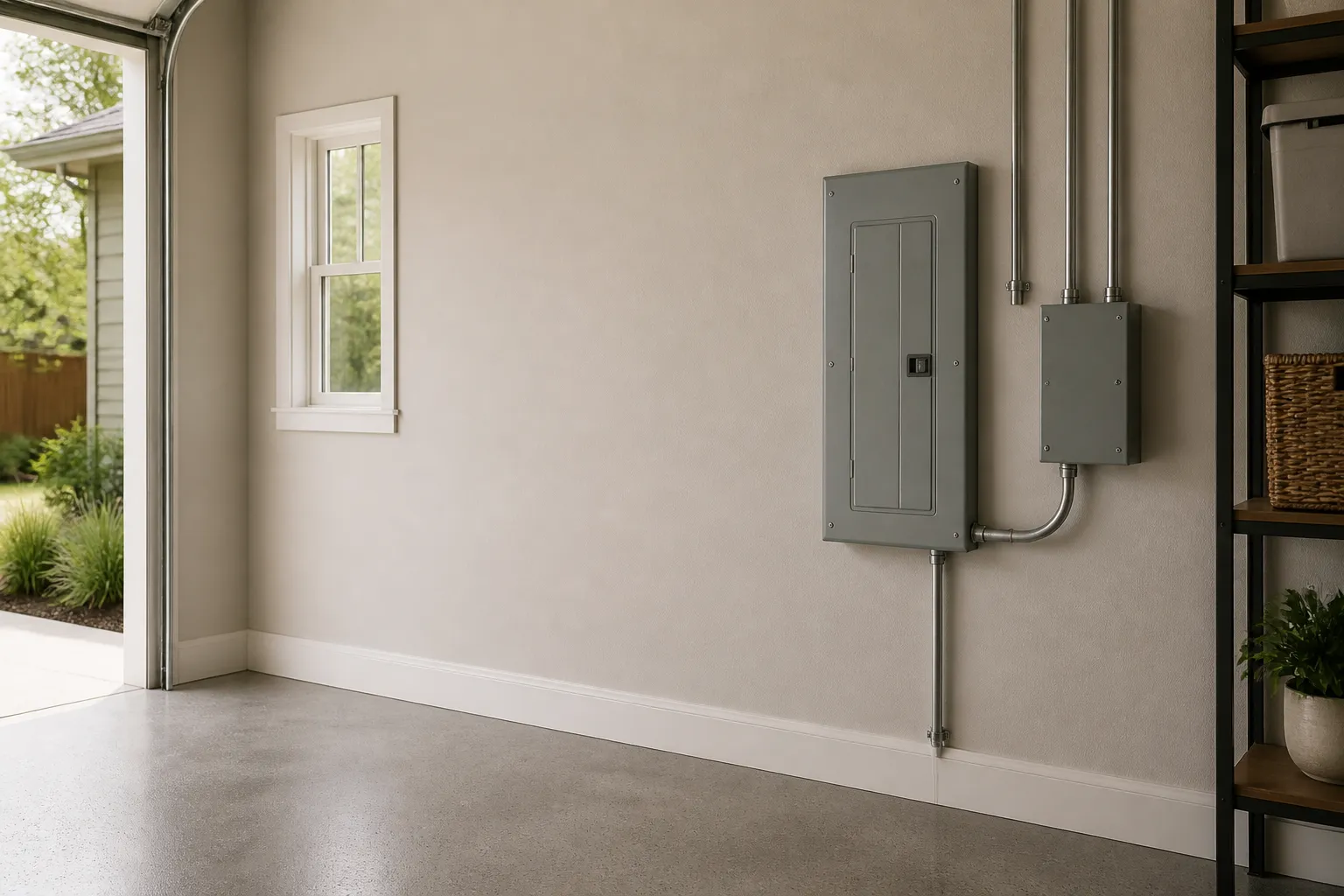
Before installation begins, we review the home’s current electrical setup and the location you want for charging. That includes the main panel, available space for a new breaker, and the distance to the charger location. For some homes, the panel can support the new load without major changes. For others, a service upgrade or panel change may be needed before the charger is added.
HydeWire Electric approaches each project with a practical goal: make the charging setup safe, usable, and suited to the home’s existing electrical capacity. We keep the process direct so you understand what the installation requires and why.
Many EV charger projects begin with a panel review. The charger may need a dedicated circuit, and the existing panel must have enough space and capacity to support it. If the panel is already heavily loaded, the installation may call for electrical changes first so the charger does not compete with the rest of the home’s power use.
That review matters because EV charging draws steady power for long periods. A home panel that looks fine on the surface may still need adjustment when a new charging load is added. We focus on the practical details that affect whether the charger can operate without unnecessary interruption.
Some homes are ready for a charger with only a new circuit. Others need service upgrades for meters and panels, or a panel change, before the charger can be installed. If that is the case, we explain the steps clearly so you know what changes support the charging system and why they matter.
Once the plan is set, the installation follows a clear sequence. The goal is a charger that is mounted securely, wired neatly, and ready for regular use. We also keep the installation organized so the finished setup looks intentional rather than improvised.
Each step supports a charging setup that fits the home rather than forcing the home to work around the charger.
Many Renton homeowners ask the same practical questions before moving forward. Will the charger be close enough to the vehicle? Will the panel need changes? Will the installation interfere with the rest of the home’s electrical use? Those concerns are normal, and they are the right ones to ask.
We help homeowners sort through those questions before work begins. If the charger location is inconvenient, or if the electrical layout creates limitations, we address those issues during the planning stage rather than after the equipment is already mounted.
Some warning signs show that a charger project needs a closer look before installation goes forward:
EV charger installation often connects with other residential electrical services. A home may need outlet and switch repair nearby, new lighting at the parking area, or circuit breaker services if the panel requires attention. In some cases, a full wiring and rewiring project becomes part of preparing the home for added electrical demand.
HydeWire Electric handles these related needs as part of a larger home electrical picture, which helps keep the charger installation aligned with the rest of the system. That can matter when a homeowner wants a charger now but also needs the home to remain ready for future electrical changes.
Homes across Renton, WA can have different electrical layouts, so each EV charger installation needs its own plan. Some properties are straightforward, while others need more careful routing or panel changes before charging equipment can be added. We work through those details with the goal of delivering a setup that supports reliable day-to-day charging.
HydeWire Electric serves Renton homeowners who want a charging solution that feels practical from the first use. The work is centered on safe home power, clean execution, and a result that matches how you park and charge at home.
Not every home is ready for the same charger setup right away. The panel, available circuit space, and wiring path all affect what can be installed and whether upgrades are needed first.
Most EV charging setups require a dedicated circuit so the charger has its own electrical path. That helps keep charging separated from other home loads.
If the panel does not have room or capacity for the charger circuit, a panel change or service upgrade may be the next step. We review that before installation begins.
The best mounting point depends on where you park, how the wiring can run, and what gives you the easiest daily access. A good location should be convenient without creating a cluttered setup.
Yes. EV charger installation can be coordinated with service upgrades, panel changes, lighting work, or rewiring projects when the home needs more than one electrical improvement.
Reach out by phone at +14258701719 or email hydewire@yahoo.com with your Renton project details. We can discuss the charger location, review your electrical setup, and outline the next step for your home.
Talk With Our Team
Share what is happening at your home, and we will help you plan the next step for repairs, upgrades, new installations, or electrical improvements.